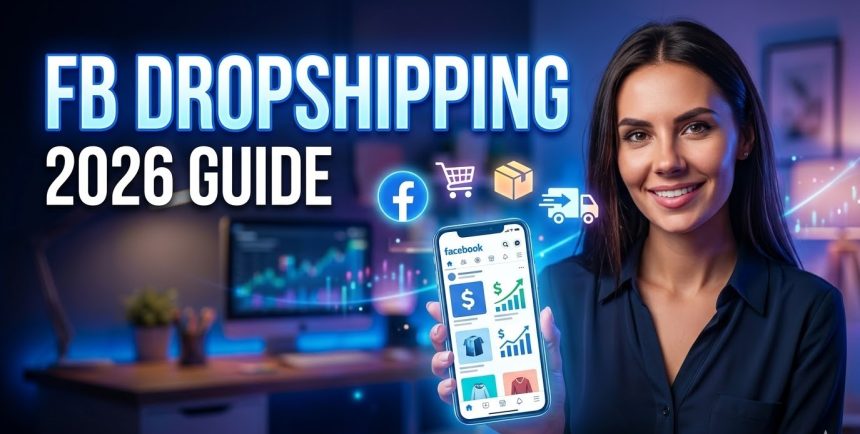
With over 2 billion active users, Facebook remains a versatile powerhouse for dropshipping. Whether you are using Facebook Marketplace for organic reach or Facebook Ads to scale a branded store, the platform offers unmatched targeting and buyer intent. In 2026, the key to success lies in “Neuromarketing”—using high-quality video content and AI-driven automation to capture attention in an increasingly crowded feed.
1. Facebook Marketplace: The Low-Cost Entry Point
Marketplace is ideal for beginners because it provides built-in traffic without the need for an expensive website.
- Why it works: Users browse Marketplace with “buy intent.”
- Best Categories: Home & Kitchen, Pet Supplies, and Car Accessories.
- Strategy: List products on Marketplace and, when an order arrives, purchase them from your supplier (like Qikink) to be shipped directly to the customer.
- Pro Tip: Use clear, “lifestyle” photos rather than stock white-background images to stand out.
2. Scaling with Facebook Ads (The “Sales” Objective)
To grow a professional dropshipping brand, paid ads are essential.
- The 2026 Funnel: Use Short-form Reels as “Top of Funnel” (TOF) content to drive awareness, then use Retargeting Ads for people who viewed your site but didn’t buy.
- Testing Budget: Allocate ₹1,500–₹3,000 per product to test various “Ad Sets” (interest groups).
- Metrics to Watch: Aim for a CTR (Click-Through Rate) above 2% and a ROAS (Return on Ad Spend) above 3.0.
3. Building Trust with a Facebook Page & Shop
Your Page is your digital storefront. Before buying, most users will click your profile to see if you are legitimate.
- Brand Consistency: Ensure your logo, cover photo, and “About” section match your website.
- Customer Interaction: Rapidly respond to Messenger inquiries. High response rates earn you a “Very Responsive” badge, which significantly boosts buyer trust.
- Messenger Automation: Use tools like ManyChat to automate FAQs (e.g., “Where is my order?”) so you can focus on scaling.
Pros & Cons of Facebook Dropshipping
| Pros | Cons |
| Instant Traffic: Marketplace buyers are already there. | Ad Bans: Strict policies can lead to sudden account shutdowns. |
| No Website Needed: You can start selling via Messenger. | Rising Costs: Ad competition has increased CPC (Cost Per Click). |
| Granular Targeting: Reach specific niches (e.g., “Pug Owners”). | Ad Fatigue: Creative content needs refreshing every 2–3 weeks. |
Essential Resources for Dropshippers
- Facebook Advertising Policies: A “must-read” to avoid permanent account bans.
- Facebook Ad Library: A free tool to spy on what successful competitors are currently running.
- Qikink Print on Demand: India’s #1 platform for dropshipping custom t-shirts and hoodies without holding inventory.
- Reddit Dropshipping Community: Real-world advice and case studies from active sellers.
- Facebook Business Suite: The centralized hub for managing your Page, Inbox, and Ads.
Also Read : Understanding the Types of Freight Transport: A Comprehensive Guide (2026)