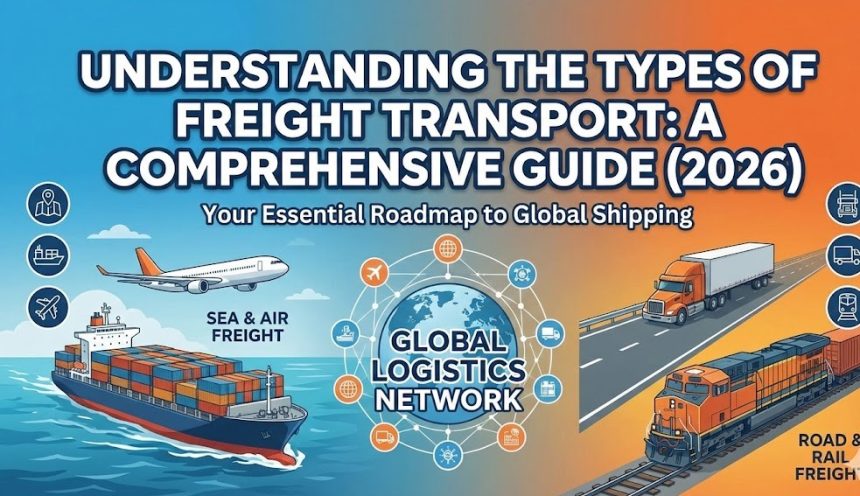
Have you ever considered how the products you order online traverse vast distances before arriving at your doorstep? The logistics involved in moving goods from manufacturers to consumers is a complex ecosystem. In fact, the global freight transport market has continued to grow rapidly since being valued at approximately $6 trillion in 2022.
For businesses, selecting the right method is no longer just about cost; it is about speed, sustainability, and reliability. In this guide, we dive deep into the five major types of freight transport to help you bolster customer satisfaction and enhance your bottom line.
1. Road Transport
Road transport remains the backbone of freight logistics, particularly for short to medium distances. It is the most flexible option, allowing for direct door-to-door delivery.
- Best For: Local deliveries, ecommerce last-mile, and perishables.
- Pros: High flexibility, cost-effective for short trips, and extensive tracking capabilities.
- Cons: Susceptible to traffic delays and weather conditions.
- Learn More: Visit the International Road Transport Union (IRU) for global standards and updates.
2. Rail Transport
Rail freight is the unsung hero of the supply chain, moving massive volumes of goods over land more efficiently than trucks.
- Best For: Bulk commodities (coal, grain), heavy machinery, and long-distance inland shipping.
- Pros: Environmentally efficient (trains are far more fuel-efficient than trucks), high safety record, and cost-effective for bulk items.
- Cons: Rigid schedules and “last mile” issues (you often need a truck to get goods from the rail yard to the warehouse).
3. Air Transport
When speed is the only priority, air freight is the undisputed king. It connects markets globally in a matter of hours, not weeks.
- Best For: High-value electronics, pharmaceuticals, and urgent documents.
- Pros: Unmatched speed and high security standards at airports.
- Cons: It is the most expensive mode of transport and has strict weight and volume limitations.
- Authority: The International Air Transport Association (IATA) sets the standards for air cargo safety and efficiency.
4. Maritime Transport
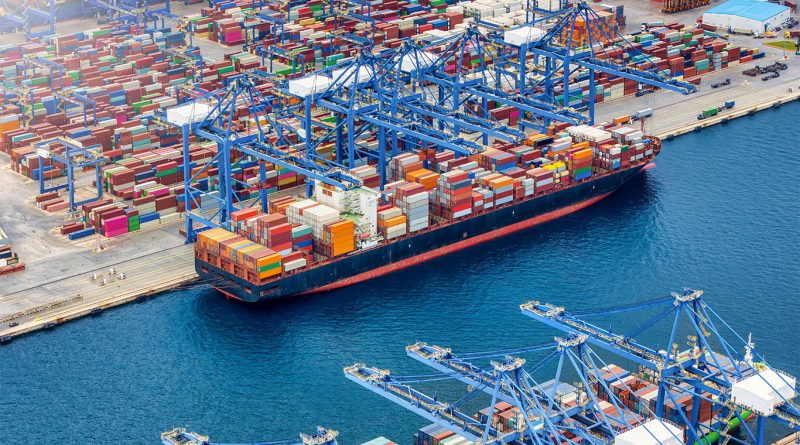
Maritime freight powers the global economy. It is the dominant method for international trade, moving approximately 80% of global merchandise by volume.
- Best For: Large consumer goods orders, raw materials, and non-urgent international shipments.
- Pros: Extremely economical for large volumes and has a lower carbon footprint per ton-mile compared to air.
- Cons: Slow transit times (weeks or months) and potential port congestion.
- Regulatory Body: The International Maritime Organization (IMO) oversees shipping safety and environmental performance.
5. Intermodal Transport
Intermodal transport involves moving freight using multiple modes of transportation (e.g., ship to rail to truck) without handling the freight itself when changing modes.
- Best For: Optimizing costs and environmental impact over long distances.
- Pros: Combines the cheap rates of rail/ship with the flexibility of trucks. It also improves security since the container is not opened during transit.
- Cons: Logistics can be complex to manage without a dedicated 3PL provider.
- Resource: The Intermodal Association of North America (IANA) provides data and advocacy for this sector.
How to Choose the Right Method
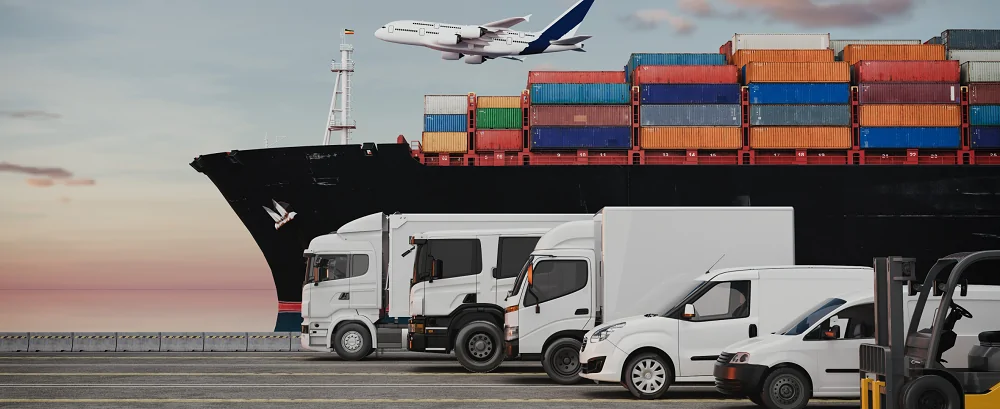
Deciding on the most suitable freight transport requires evaluating five key factors:
- Nature of Cargo: Is it perishable (Air/Road) or durable bulk (Rail/Sea)?
- Distance: International usually demands Maritime or Air, while domestic favors Road or Rail.
- Time Sensitivity: If it needs to be there tomorrow, Air is your only choice. If it can wait a month, go Maritime.
- Budget: Air is premium; Maritime and Rail are budget-friendly.
- Sustainability: Rail and Maritime generally offer the lowest emissions per unit.
Emerging Trends for 2026
- Digital Transformation: Real-time tracking and blockchain documentation are becoming standard.
- Sustainability: A massive push toward electric trucks and “green shipping” corridors.
- Security: Enhanced tamper-proof containers to combat theft in the ecommerce era.
Also Read : Why Start a Pet Drop shipping Niche Business in 2026?