Let’s be completely candid: traditional dropshipping—buying cheap goods from Asia and selling them to the West—has become incredibly saturated. If you want to stand out in 2026, you need to flip the script.
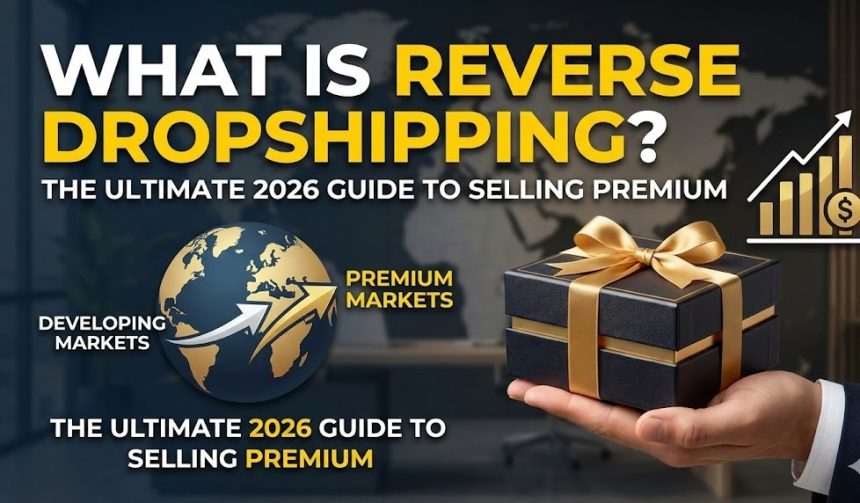
Enter Reverse Dropshipping. This lucrative business model involves sourcing high-quality, premium products from developed nations (like the US, UK, or France) and selling them to a growing middle class in emerging markets (like India, China, Indonesia, and Brazil).
Here is a no-nonsense, comprehensive guide on how reverse dropshipping works, its massive advantages, and how you can launch a profitable store today.
At a Glance: Traditional vs. Reverse Dropshipping
| The Metric | Traditional Dropshipping | Reverse Dropshipping |
| The Flow | Source from Asia ➔ Sell to the West | Source from the West ➔ Sell to Asia/Emerging Markets |
| Product Quality | Often cheap, mass-market goods. | Premium, high-quality, branded goods. |
| Profit Margins | Low to medium (heavy competition). | Very high (buyers pay a premium for Western brands). |
| Competition | Highly saturated. | Very low (it is still a relatively new concept). |
| Marketing Costs | Expensive (US/EU ad costs are high). | Affordable (Digital ad costs are much lower in Asia). |
The Pros & Cons: Is It Worth It?
Before diving in, you need to understand the realities of selling to emerging markets.
The Massive Advantages
- Better Profit Margins: Consumers in developing nations are already accustomed to paying higher taxes and shipping costs for foreign goods. They are highly willing to pay top dollar for premium items.
- Affordable Marketing: Advertising costs in countries like India, the Philippines, and Mexico are significantly lower than in the US, allowing your ad budget to stretch much further.
- Huge Market Potential: According to data from Statista, China alone leads the e-commerce market with over $1.3 trillion in revenue, housing a tech-savvy generation demanding high-value products.
- Easier Returns: Unlike dealing with overseas factories, Western suppliers usually have smooth, reliable return policies.
The Realistic Downsides
- Complex Regulations: Asian markets have different import regulations. You will need to navigate legal practices and customs paperwork.
- Shipping Delays & Tariffs: Exporting premium goods requires dealing with import tariffs. It is highly recommended to check the World Trade Organization (WTO) guidelines for free trade agreements to avoid surprise fees that eat into your profits.
- Language Barriers: Consumers prefer product descriptions in their native language. You will need to invest in a reliable translation app to localize your store.
6 Steps to Start a Reverse Dropshipping Business
1. Pick a Target Market
Focus on countries with high spending power and a booming middle class. China, South Korea, Japan, and India are excellent starting points. Look at Google Trends to see what Western brands are currently spiking in search volume in these regions.
2. Find Premium Products to Sell
You want to sell high-ticket, premium goods that are hard to find in underdeveloped countries. The top 5 categories for reverse dropshipping include:
- Gaming Consoles (PlayStation, Xbox)
- Luxury Cosmetics & Skincare (La Mer, Yves Saint Laurent)
- High-End Kitchen Appliances (Viking, Miele)
- Designer Handbags (Louis Vuitton, Chanel)
- Premium Baby Products (Bugaboo, eco-friendly diapers)
3. Look for a Western Supplier
Your supplier must deal in premium brands and be capable of shipping to Asia. Platforms like Modalyst or Spocket provide access to US and EU suppliers with fast shipping and reliable service.
4. Choose a Sales Channel
Asian consumers rarely use American retail websites. While you can build an independent store using Shopify (which allows for localized currency and language conversion), you should also consider integrating with massive local marketplaces like Alibaba, Tmall (China), Shopee (Southeast Asia), or Flipkart (India).
5. Handle the Legal Considerations
Before launching, ensure your business complies with local payment regulations (like offering Cash on Delivery, which is huge in Asia). Research copyright laws to ensure you are legally allowed to resell specific branded products in those territories.
6. Localize Your Marketing
Do not just translate your US ads—localize them. Chinese consumers, for example, heavily favor user-generated content and influencer live streams over traditional static image ads. Adjust your strategy to match the local culture.
Also Read : The 5 Best eCommerce Analytics Tools In 2025/2026