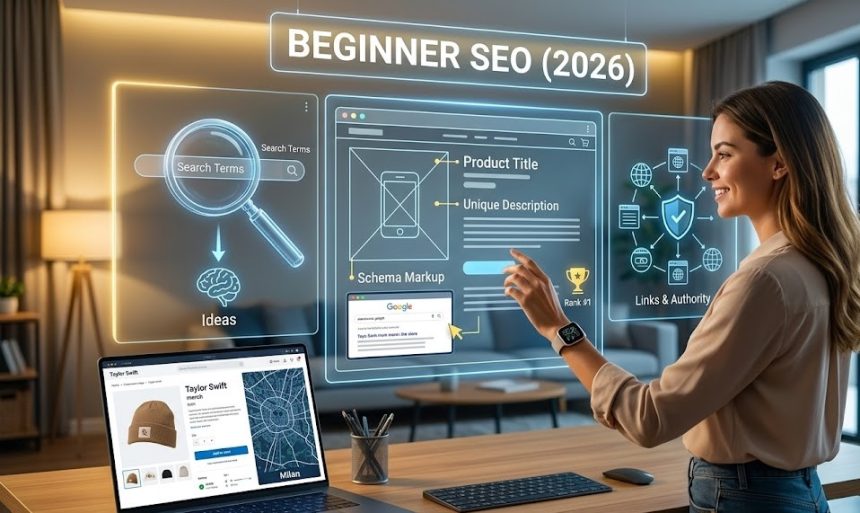
In the world of online retail, dropshipping stands out for its low overheads and scalable potential. However, competition is fiercer than ever in 2026. The lifeblood of consistent sales isn’t just a flashy ad—it’s organic traffic driven by Search Engine Optimization (SEO).
If you’re just starting, mastering the basics of SEO for dropshipping stores can help your site stand out in search results and attract ready-to-buy customers without a massive ad spend.
Why SEO Matters for Dropshipping in 2026
Unlike paid ads, which stop bringing traffic the moment your budget dries up, effective SEO offers free, sustainable, and compounding traffic over time. With the rise of AI-driven search, ranking for specific product queries allows you to capture “high-intent” buyers—people who have their wallets out and are ready to click “Buy.”
1. Keyword Research: The Foundation
Keywords are the phrases your potential customers type into search bars. For dropshippers, you want to move beyond broad terms.
- Target Long-Tail Keywords: Instead of “running shoes,” target “best waterproof trail running shoes for wide feet.” These have lower competition and much higher conversion rates.
- Tools to Use: Utilize Google Keyword Planner or Ubersuggest to find gaps in the market.
- Mapping: Assign one primary keyword to each product page and category page to avoid “keyword cannibalization.”
2. On-Page SEO: Winning the Click
Many dropshippers fall into the “copy-paste” trap, using the exact descriptions provided by AliExpress or other suppliers. Google penalizes duplicate content.
- Unique Descriptions: Write original, benefit-driven copy. Don’t just list features; tell the customer how the product solves their specific problem.
- Title Tags & Meta Descriptions: Keep your titles under 60 characters and meta descriptions under 155 characters. Make them “clickable” by including a clear call to action (e.g., “Shop Now” or “Free Shipping”).
- Image SEO: High-res images are great, but heavy files kill your speed. Compress images using tools like TinyPNG and always add Alt Text describing the image for search crawlers.
3. Technical SEO: The Need for Speed
In 2026, user experience is a massive ranking factor. If your site takes more than 2 seconds to load, you’ve already lost the customer.
- Mobile-First Design: Ensure your store is fully responsive. Most dropshipping purchases now happen on mobile devices.
- HTTPS is Mandatory: Secure your site with an SSL certificate. It builds trust with both Google and your customers.
- Schema Markup: Use Structured Data so that prices, ratings, and stock status appear directly in search results as “rich snippets.”
Summary: The Dropshipping SEO Checklist
| Step | Focus Area | Why It Works |
| Keyword Research | Long-tail phrases | Captures ready-to-buy customers. |
| On-Page Content | Unique descriptions | Avoids duplicate content penalties. |
| Site Speed | Compression & Hosting | Reduces bounce rates and improves UX. |
| Mobile UX | Responsive layouts | Most shoppers buy via smartphone. |
| Link Building | Quality backlinks | Increases domain authority and trust. |
Authority Building: Content & Links
To rank highly, Google needs to see you as an authority in your niche (often referred to as E-E-A-T: Experience, Expertise, Authoritativeness, and Trustworthiness).
- Blogging: Don’t just sell; educate. If you sell fishing gear, write a guide on “The Best Baits for Bass in 2026.” This brings in top-of-funnel traffic.
- Internal Linking: Link your blog posts to your product pages. This helps “link juice” flow throughout your site.
- Link Building: Reach out to influencers or niche bloggers for reviews. One link from a reputable site is worth more than 1,000 links from spammy directories.
Pro Tip: If you’re using a platform like FatherShops, many of these technical SEO elements (like SSL and mobile responsiveness) are handled automatically, letting you focus on content and keywords.
Also Read : 10 Best Dropshipping sites for E-commerce