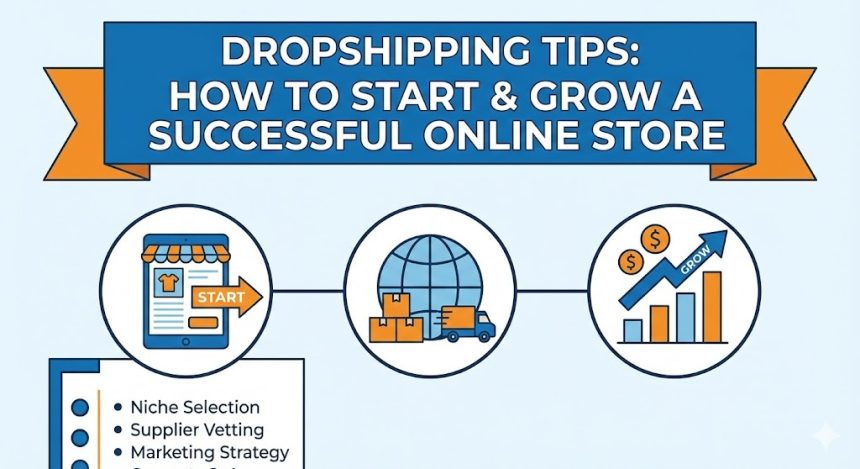
Have you always dreamed of running an online business? You aren’t alone. The global eCommerce market is a multi-trillion dollar industry, and the barrier to entry has never been lower.
The good news is that you don’t need hundreds of thousands of dollars to create your online store. The dropshipping business model allows you to set up a shop without the risks of buying and storing tons of inventory.
However, dropshipping isn’t a get-rich-quick scheme. It is not a low-risk venture, and only a percentage of businesses succeed in the long term. As a store owner, you are on the hook for marketing expenses, customer service, and ensuring your retail price covers the wholesale cost.
To help you build a solid foundation, here is the essential first step to building a successful dropshipping business.
Step 1: Understand Your Target Market
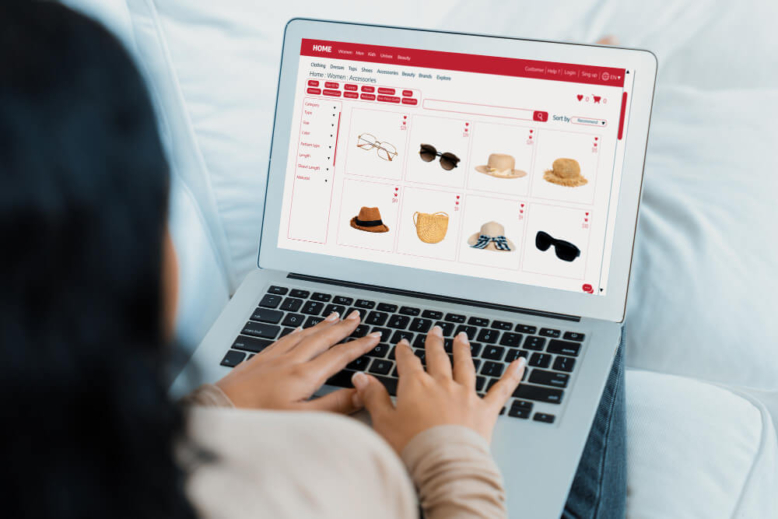
One of the biggest mistakes new dropshippers make is casting their net too wide.
Targeting a “general” audience might sound like the key to growth, but it is actually counterproductive. When you try to sell to everyone, you end up selling to no one. Online shoppers expect personalized experiences and specific solutions to their problems.
To succeed, you must find an unaddressed market. Analyze your potential niche using these four qualities:
1. Pain Points
Every online shopper buys something to solve a want or a need.
- The Strategy: Look for problems that aren’t being solved by current competitors.
- The Example: An aspiring home chef might buy specialty spatulas online because they can’t find high-quality options at their local big-box store.
- 💡 Pro Tip: If your competitors have terrible return policies, offer hassle-free returns. You will stand out instantly by solving a “service” pain point.
2. Purchasing Power
Before you spend money on ads, ask yourself: Can this audience afford my product?
- The Reality: If you target broke college students, your products must be incredibly affordable, which kills your margins.
- The Fix: Target a demographic with disposable income or adjust your pricing strategy to fit the audience’s wallet.
3. Ease of Targeting
How easy is it to find your customers online?
- The Strategy: Niche down to specific hobbies or distinct behaviors.
- The Example: Instead of targeting “people who like fishing,” target “Fly Fishers in Canada.” This allows you to use highly specific keywords and ad targeting, saving you money on wasted clicks.
4. Room for Growth
Is this niche a temporary fad, or is there long-term potential?
- The Strategy: Look for markets with recurring revenue potential (consumables, hobby supplies) that are projected to grow over time. Avoid “one-hit wonder” viral products that will vanish in six months.
The Power of the “Customer Persona”
Once you have identified a market, you need to create a Customer Persona. This is an internal tool that helps you put yourself in your shopper’s shoes.
Don’t just say, “I’m targeting runners.” That isn’t specific enough. You need to drill down deep:
- Are they sprinters or marathon runners?
- Do they run for fun or for competition?
- What is their gender identity and age?
- Do they have kids?
- What is their average income?
Why does this matter? A detailed persona helps you offer better customer support and write marketing copy that speaks directly to the shopper’s soul. When a customer feels like you “get” them, they buy from you.
Conclusion
Building a dropshipping business starts with research, not product sourcing. By identifying a specific niche with purchasing power and real pain points, you set yourself apart from the thousands of generic stores that fail in their first year.
Also Read : Understanding the Types of Freight Transport: A Comprehensive Guide (2026)